Dia Mirza Calls Cosmetic Surgery a Trap for Women, Blames Male-Dominated Industry
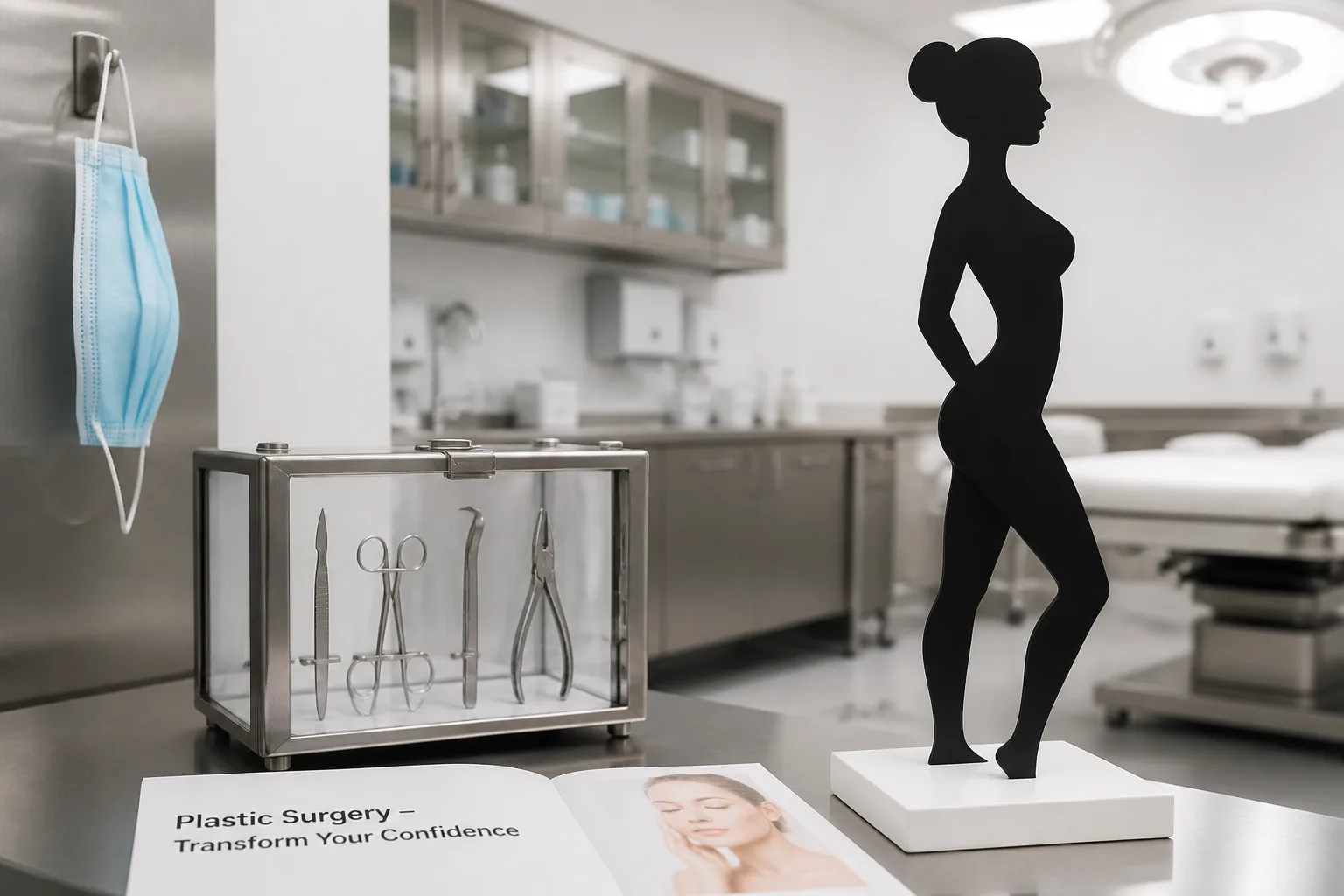
In a recent interview, former Miss Asia Pacific International and Bollywood actress Dia Mirza described cosmetic surgery as a perilous trap for women and accused the beauty industry of being dominated by men.
Her filmography, which launched with Rehnaa Hai Terre Dil Mein in 2001 and included hits like Lage Raho Munna Bhai (2006) and Sanju (2018), gave her a front‑row seat to the mounting pressure women face to change their looks. “It’s frightening. More and more women are being drawn toward cosmetic surgery,” she said. “But what’s even more worrying is that the industry is largely run by men. The entire system is built on insecurity and fear.”
Mirza said the trap forms when women internalize the notion that their natural features are insufficient. She recalled early on being urged repeatedly to get lip fillers and breast augmentation to meet industry standards. “I was constantly told what I should change about my body to look more beautiful,” she said. “But those comments never came from women. No woman ever told me, ‘Your lips are too thin, get fillers,’ or ‘Your breasts are too small, enhance them.’ Every such remark came from men.”
Her comments echo wider worries about the cosmetic‑surgery market. Global data indicate a steady rise in procedures, with breast augmentation and lip enhancement among the most common. The field is also marked by a male‑dominated leadership structure, with women occupying only a small fraction of senior roles in plastic‑surgery societies.
Mirza added that the beauty industry profits by exploiting insecurities and unrealistic standards. “The industry thrives on people’s fears and self‑doubt,” she said. “When women internalize these messages, they see surgery as the only path to acceptance.”
Her remarks have reignited debate over beauty standards in Indian cinema. Bollywood has long faced criticism for promoting a narrow ideal that favors fair skin, large eyes, and a slim figure. Critics claim these ideals fuel body‑image problems among actresses and the broader public.
Industry observers note that, even as the cosmetic‑surgery market grows, conversations around body positivity are gaining momentum. A growing number of Indian filmmakers and public figures are challenging conventional beauty norms and urging audiences to embrace diversity.
Mirza’s career mirrors Bollywood’s evolving approach to female roles. After her debut, she appeared in a mix of commercial masala films and more nuanced dramas like Thappad (2020). She has also produced content through her own companies, One India Stories and Born Free Entertainment.
In the interview, Mirza stressed that the pressure she felt came almost exclusively from male colleagues and producers. “No woman ever told me to alter my appearance,” she repeated. “That’s the truth.”
Industry insiders have responded, acknowledging that while male influence remains strong, a growing movement seeks to support women’s autonomy over their bodies. Some production houses have started offering counseling and body‑image support for actresses.
No formal investigation or policy change has yet been announced in response to Mirza’s remarks. The conversation, however, fits into a broader trend in Indian media that aims to address gendered expectations and promote healthier beauty standards.
Mirza’s comments underscore that the cosmetic‑surgery industry, though lucrative, remains shaped by power dynamics that disproportionately affect women. The ongoing dialogue may influence future industry practices and public perceptions of beauty.