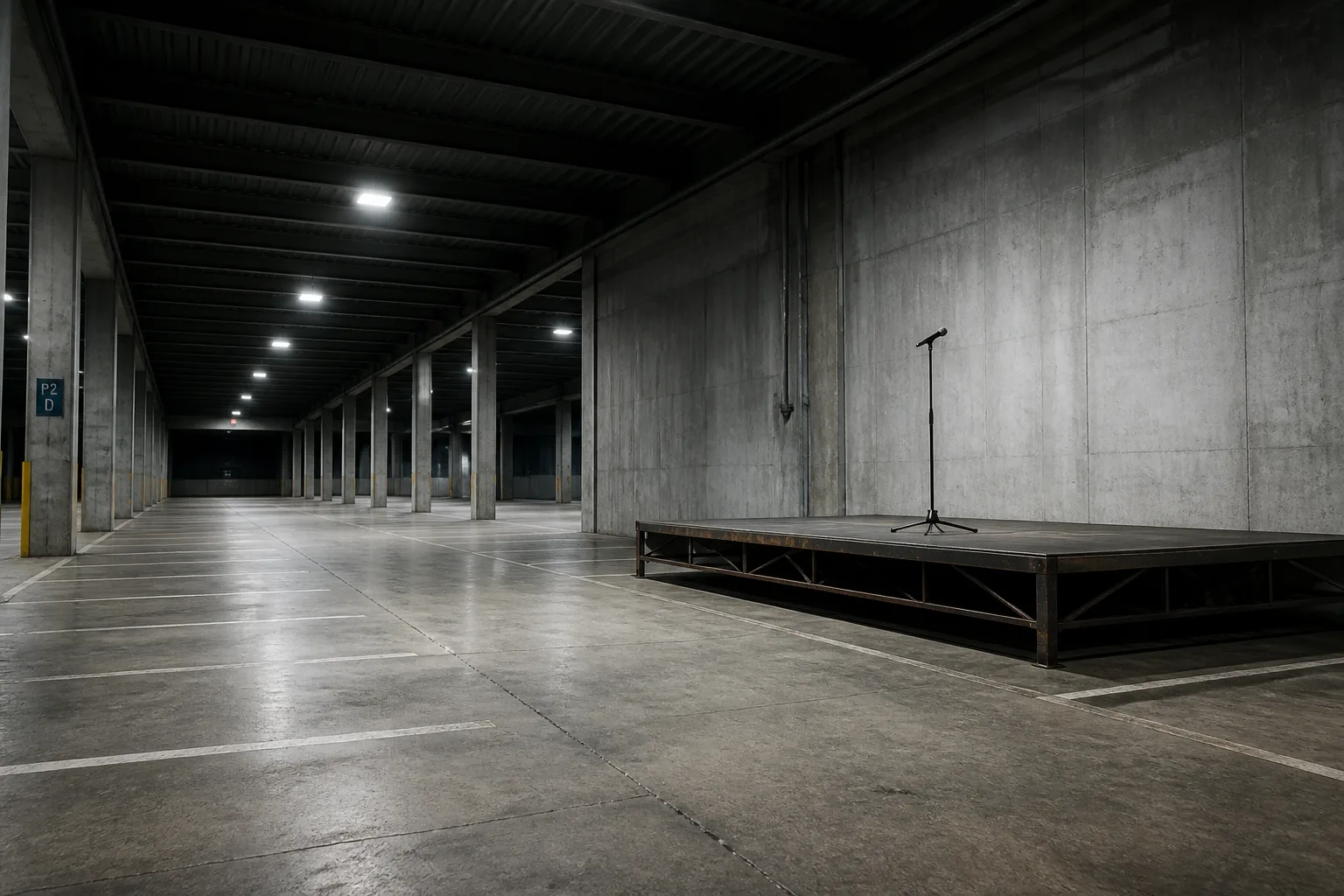
Indias Concert Boom Stalled by Lack of Purpose-Built Venues
When tickets for Travis Scott’s 2025 Delhi headline went on sale, more than 100,000 seats vanished in a matter of hours and fans poured nearly ₹100 crore into the city’s ticket booths. The same pattern unfolded for Ed Sheeran, Coldplay, Diljit Dosanjh and Arijit Singh, proving that India is rapidly becoming a key node in the global live‑entertainment network.
For years, Indian concertgoers had to cross borders to catch international stars in Singapore, Bangkok or Dubai. The recent surge in domestic demand keeps that spending home, yet the country’s infrastructure has not caught up. India has no venues built solely for live music, so promoters erect temporary arenas for each tour stop. The result is soaring construction costs, razor‑thin profit margins, and an uneven fan experience that ranges from long queues to inadequate washrooms and parking.
EY’s latest market assessment places the live‑events economy—concerts, festivals and other performances—at ₹17 000 crore, with a steady upward trajectory. Ticket sales, tourism, hospitality and local spending drive the sector, and brands increasingly use concerts as experiential marketing platforms. Still, venue costs account for 30‑40 % of a show’s budget, while artist fees can consume 50 %. With only a sliver of the budget left, promoters often struggle to turn a profit even when a concert sells out.
“Every promoter in India basically acts like a construction company,” observes Anmol Kukreja, co‑founder of Skillbox. “They build an entire arena in a day and then tear it down.” VG Jairam, founder of Hyperlink Brand Solutions, adds that most large concerts are staged on sports grounds, exhibition centres or open plots that must be converted into temporary venues. These conversions add risk and cost, and frequently result in logistical bottlenecks that dampen the overall event experience.
A plug‑and‑play venue would shift that equation dramatically. The O2 and Wembley in London, and Madison Square Garden in New York, all offer permanent stages, roofing, backstage facilities and utilities from day one. In Bengaluru, Terraform Arena is following a similar model. Vincent Samuel of Greenstone Entertainment notes that Terraform already has 60 % of its infrastructure ready. “What takes seven days at another venue can be built in two days at Terraform, saving at least ₹30‑40 lakh compared with a no‑facility venue,” Samuel says.
The scarcity of dedicated venues also curtails brand sponsorship opportunities. A senior marketing executive points out that a water brand may prefer a large outdoor festival, whereas luxury or financial services brands look for controlled environments. Lalita Nayak, chief marketing and communications officer at Mitigata, argues that better venues raise the overall experience and increase the likelihood that larger brands will partner.
An EY Parthenon‑BookMyShow report from January 2026 found that one‑third of brands investing in experiential marketing allocate 11‑40 % of their total marketing spend to the category. Sponsorship can contribute 20‑50 % of an event’s revenue, but without predictable venues brands can only tap a fraction of that potential.
Policy makers are beginning to recognise the bottleneck. The government’s Live Events Development Cell has introduced single‑window clearances and streamlined licensing procedures. Several state governments are considering sector‑specific policies, and at least three to four companies have expressed interest in building venues. District by Zomato has acquired naming rights and operates Terraform Arena as District Arena.
Industry insiders believe that a network of purpose‑built arenas—ranging from 4,000‑seat venues to 100,000‑seat stadiums—would allow India to become a default multi‑city stop on world tours. “If we have 10 such venues, we can offer artists a 10‑city tour and structure pricing differently,” says Jairam. “The conversation changes and margins improve.”
Until that infrastructure is in place, India’s concert boom will remain constrained. The next chapter belongs to those who build the stages.