Gaming Jargon Enters Mainstream: From Easter Eggs to White House Propaganda
When the Oxford English Dictionary added cheat code and cutscene to its lexicon in December 2024, the Guardian reported that the move signaled a shift: video‑game vocabulary was finally settling into everyday English. The change, which followed years of gamers sharing terms on forums and blogs, now appears on the same pages that list medical and legal terminology.
The migration of gaming language into public discourse has crossed over into politics. On 4 March 2026 the White House’s official X account posted a brief clip that fused footage of U.S. strikes in Iran with a kill‑streak montage from Call of Duty: Modern Warfare 3. A week later, on 12 March, the account released a second video that blended real‑world images of the same conflict with gameplay from Nintendo’s Wii Sports and Wii Sports Resort. The posts were widely shared and drew criticism from both sides of the political spectrum for reducing a war to a game.
Gaming slang is also appearing in congressional speech. In February 2026 Representative Alexandria Ocasio‑Cortez tweeted, “Why does this guy always talk like a World of Warcraft NPC?” in response to a comment by White House deputy chief of staff Stephen Miller. The tweet was reposted by several media outlets and highlighted how terms once confined to gaming circles now surface in everyday political dialogue.
The Guardian’s recent “A to Z of gaming terms” article traces the roots of many words that have crossed over into news reports and social media. Easter egg was coined in 1980 by Atari software director Steve Wright when he described a hidden room in the game Adventure that contained his own name. The term has since found use in film, television, and even legal documents.
Other vocabulary has entered common usage. Boosting—the practice of paying someone to level a character—was publicly acknowledged by Elon Musk during a livestream in January 2025, when he admitted using the service in Path of Exile 2 and Diablo 4. The Guardian reported that Musk’s admission was made during a livestream in January 2025.
The article also covers the 2005 World of Warcraft bug that spawned the Corrupted Blood incident, a virtual disease that spread across the game world. Scientists later cited the event as a model for studying real‑world disease transmission.
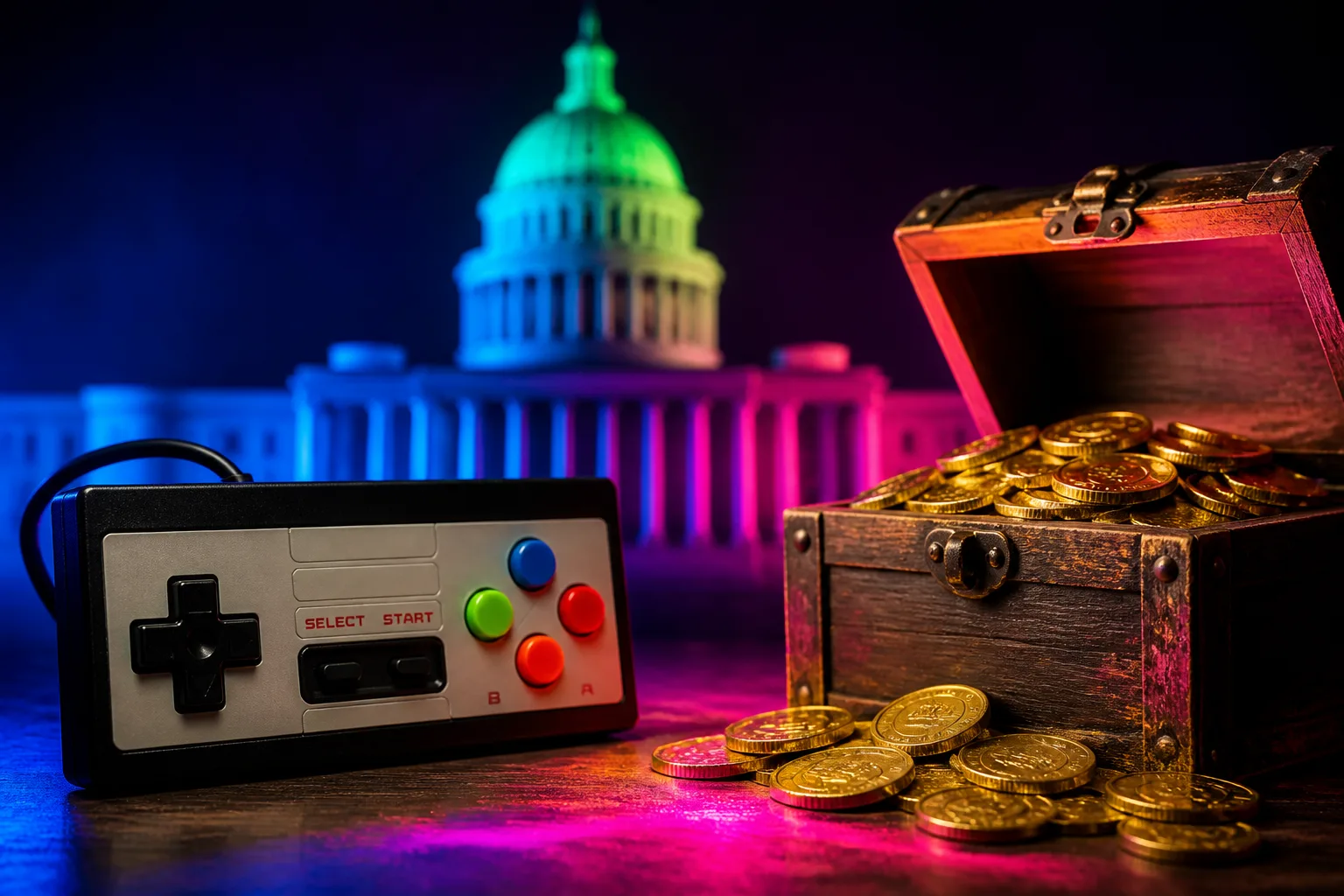
Loot boxes, a monetisation model that rewards players with random virtual items, have attracted regulatory scrutiny in several countries. The Guardian notes that the model was first introduced between 2004 and 2007 and has since been linked to gambling‑related concerns.
The growing presence of gaming terminology in mainstream media reflects the broader cultural penetration of the industry. According to the Guardian, the rise of streaming platforms, esports, and the inclusion of gaming terms in the Oxford English Dictionary are all part of a trend that shows video games are no longer a niche hobby.
The guide also lists other terms that are increasingly used outside of gaming, such as noob (a derogatory term for a beginner), NPC (used to describe predictable or robotic behaviour), and pwned (a misspelling of owned that describes a humiliating defeat).
The trend suggests that the language of video games will continue to influence political rhetoric, advertising, and everyday conversation. As the industry expands into new media and technology, the vocabulary that once described virtual worlds is now part of the lexicon used to describe real‑world events.