Guy Ritchies Sherlock Holmes Duology Restores the Directors Blockbuster Credibility
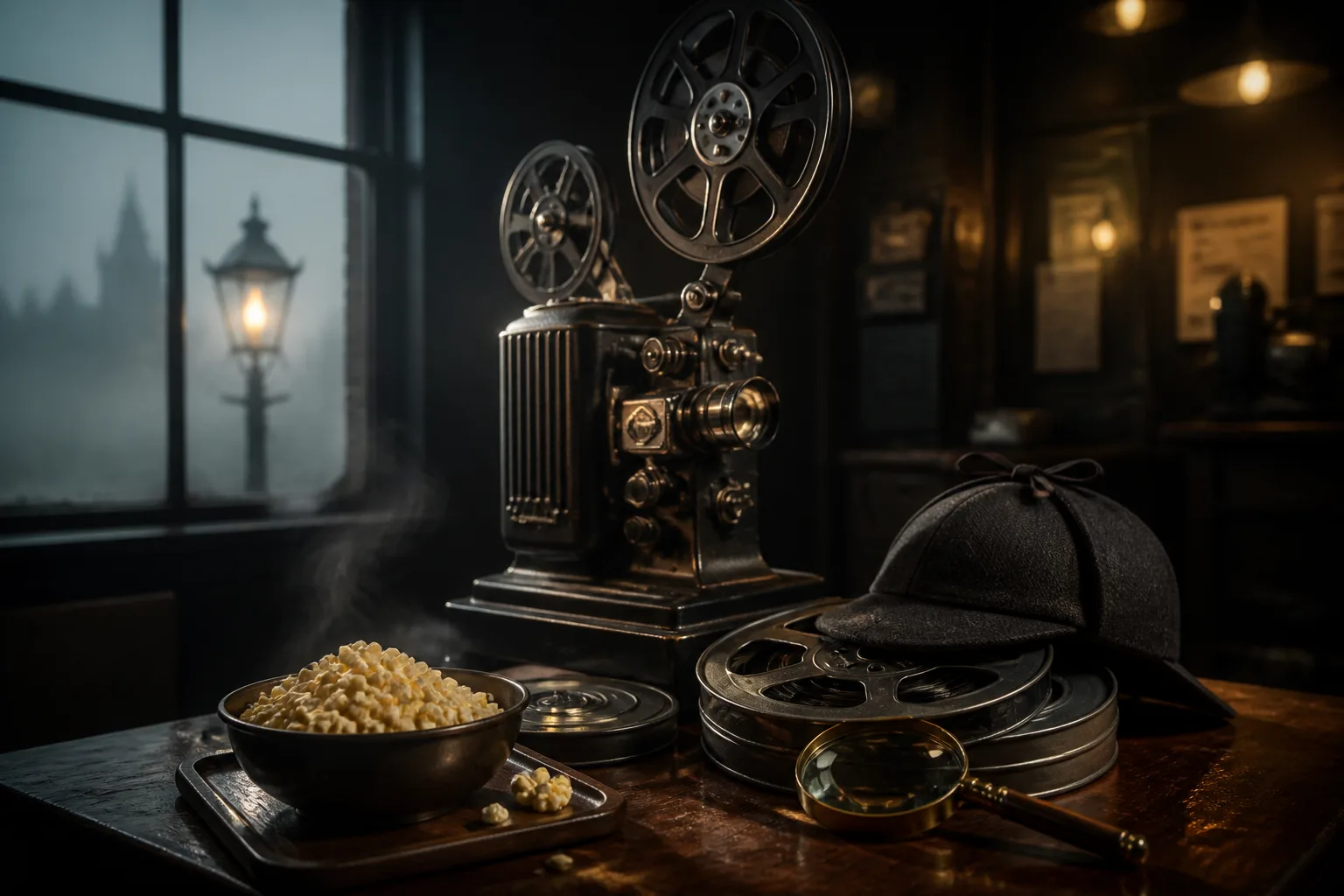
When the snow‑clad streets of London burst into action on December 25, 2009, the world saw a new kind of detective: a roguish, gun‑slinging Holmes who could outwit a foe and outrun a chase in equal measure. Guy Ritchie’s Sherlock Holmes broke the mold of classic adaptations and, with a box‑office haul of $525 million worldwide, re‑established him as a hit‑maker in Hollywood’s high‑stakes arena.
Ritchie first made his mark with the 1998 crime comedy Lock, Stock and Two Smoking Barrels, a razor‑sharp, fast‑paced film that earned a cult following. The early 2000s, however, proved uneven. The 2002 romantic comedy Swept Away failed to resonate, and the 2005 crime thriller Revolver and the 2008 gangster drama RocknRolla received lukewarm reviews and modest returns. By the time Sherlock Holmes hit theaters, the director was in need of a commercial reset.
The 2009 film assembled a star‑studded cast: Robert Downey Jr. as the titular detective, Jude Law as his loyal companion Dr. John Watson, and a supporting ensemble that included Rachel McAdams, Mark Strong, Jared Harris, Noomi Rapace, Stephen Fry, and Kelly Reilly. Downey’s portrayal blended cerebral wit with physical swagger, a departure from the more cerebral, Victorian‑era portrayals that preceded him. Ritchie’s signature kinetic editing, rapid cuts, and stylized camera work translated the detective’s mental “vision” into a visceral, choreographed spectacle. The result was a movie that felt both familiar and fresh, appealing to fans of period drama and action alike.
Two years later, Sherlock Holmes: A Game of Shadows continued the partnership between Downey and Law. The sequel introduced a new nemesis, played by Mark Strong, and expanded the film’s set pieces, from a dramatic train confrontation to a climactic rooftop showdown. While the narrative revolved around Holmes confronting a fresh threat, the film’s tone remained consistent with its predecessor: witty banter threaded through high‑energy action. A Game of Shadows delivered a solid box‑office performance, reinforcing Ritchie’s ability to sustain audience interest across a franchise.
Beyond the numbers, the Holmes duology refined Ritchie’s directorial language. His films are known for rapid editing, kinetic camera work, and a blend of humor and violence. The Holmes movies showcased this aesthetic through the “Sherlock Vision” motif, where Holmes mentally maps out a fight sequence before it unfolds—a concept that would later surface in other action franchises. The period setting, coupled with modern sensibilities, proved a winning formula that other filmmakers have cited as an influence.
Following the Holmes series, Ritchie returned to high‑profile projects. He directed The Man from U.N.C.L.E. (2015), King Arthur: Legend of the Sword (2017), and Disney’s live‑action Aladdin (2019), the latter grossing over $1 billion worldwide. In 2019 he revisited his crime‑comedy roots with The Gentlemen, and in 2021 and 2023 he helmed the action films Wrath of Man and Operation Fortune: Ruse de Guerre, respectively.
Rumors of a third Holmes film are circulating, with Dexter Fletcher reportedly set to take the director’s chair. While no release date has been confirmed, the development of a new installment signals that both Ritchie and the studio still view the franchise as commercially viable.
In sum, the 2009 and 2011 Sherlock Holmes films were more than box‑office successes; they were a decisive turning point that re‑affirmed Guy Ritchie’s status as a blockbuster director. By marrying period storytelling with contemporary action and a distinctive visual style, the duology not only revitalized his career but also left an indelible mark on the action‑drama genre.