New York Knicks 2026 NBA Title Sparks Streaming Surge for New York-Themed Songs
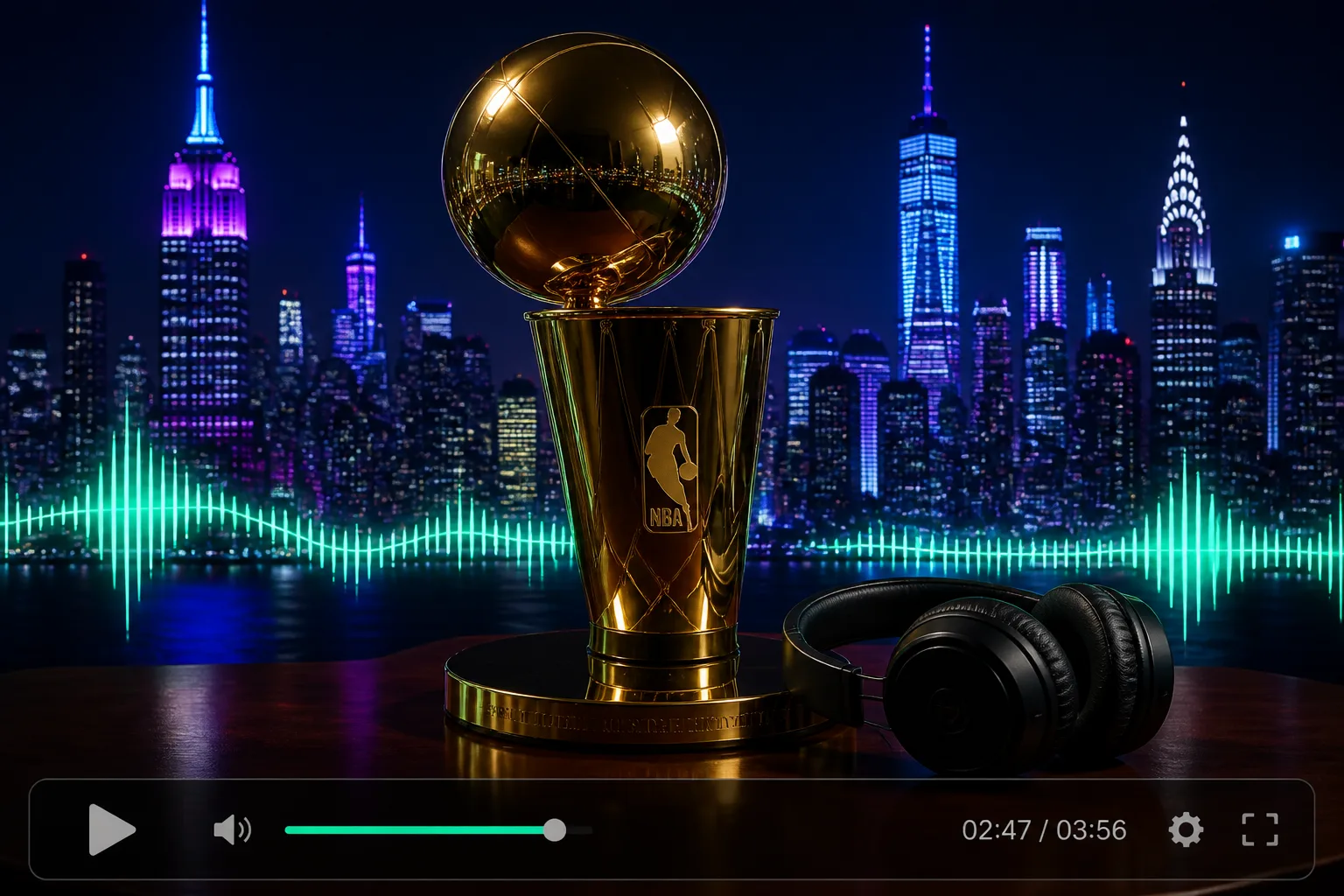
New York Knicks’ 2026 championship sparked a surge in streaming of New York‑themed songs, according to Billboard’s analysis of the night’s data. The NBA Finals, which ended on June 13, 2026, saw the Knicks defeat the San Antonio Spurs 4‑1, ending a 53‑year title drought. The victory generated a measurable uptick in listening activity for several tracks that reference the city.
Billboard’s blog reported that Jay Z and Alicia Keys’s “Empire State of Mind” logged 1.4 million streams on the night of the championship game. The track’s share of the total increased by 32 percent, the smallest rise among the songs highlighted. In contrast, Frank Sinatra’s rendition of “Theme From New York, New York” experienced a 62 percent jump, while the collaborative single “New York” by Ja Rule, Fat Joe and Jadakiss climbed 68 percent. Billy Joel’s “New York State of Mind” saw the largest percentage increase among the catalog examined, rising 71 percent.
The data also touched on other artists. Taylor Swift’s “Welcome to New York” – both the original and the “Taylor’s Version” re‑recording – was noted in the article, but no specific streaming figures were provided. Addison Rae’s “New York” was mentioned as having an anecdotal increase, based on Instagram stories from Knicks fans in Los Angeles, but the blog did not supply quantitative metrics. The article also referenced that Sinatra’s “New York, New York” had measurable numbers, yet it did not provide data for Liza Minnelli or Cat Power.
The phenomenon of a sports event driving music consumption is not new. Previous championships have produced similar spikes, but Billboard’s current post is the first to quantify the effect for the 2026 Finals. The report does not explain the mechanisms behind the surge, nor does it compare the magnitude to other major sporting moments. It simply lists the percentage changes and raw stream counts for the highlighted tracks. The report also notes that the streaming increases were most pronounced during the evening hours following the game.
Contextualizing the songs helps explain why they were singled out. “Empire State of Mind,” released in 2009, is a collaboration between Jay Z and Alicia Keys that celebrates New York City. The track peaked at number one on the Billboard Hot 100 and has sold over 10 million units in the United States as of July 2024. Sinatra’s “Theme From New York, New York” is a classic that has long been associated with the city’s image. Billy Joel’s “New York State of Mind,” also a staple of the city’s musical canon, was written in 1976 and has remained a popular reference point for New York‑themed music. The Ja Rule, Fat Joe and Jadakiss collaboration, released in 2005, is a hip‑hop anthem that references the city’s culture.
Taylor Swift’s “Welcome to New York” was originally released in 2014 as part of the album 1989. The “Taylor’s Version” re‑recording was released in 2023, part of Swift’s broader effort to regain ownership of her master recordings. The track’s lyrical content reflects Swift’s personal experience in the city, and it has been streamed millions of times since its release, though the article does not provide new data for the Finals night.
Addison Rae, a social‑media influencer who launched a music career in 2025, released “New York” in 2025. The track’s mention in the blog suggests that her presence in the streaming ecosystem is being monitored, but no concrete numbers are available.
The article concludes that while the Knicks’ victory clearly correlated with increased listening for several New York‑themed songs, the full scope of the effect remains incomplete. No additional data were released for Liza Minnelli or Cat Power, and the article calls for further study to determine whether the trend will persist beyond the immediate post‑game period.
In short, the 2026 NBA Finals produced a measurable, city‑centric streaming bump for a handful of tracks, with the most significant increases seen in Billy Joel’s and Sinatra’s songs. The data highlight the intersection of sports and music consumption, but also underscore the limits of publicly available metrics.