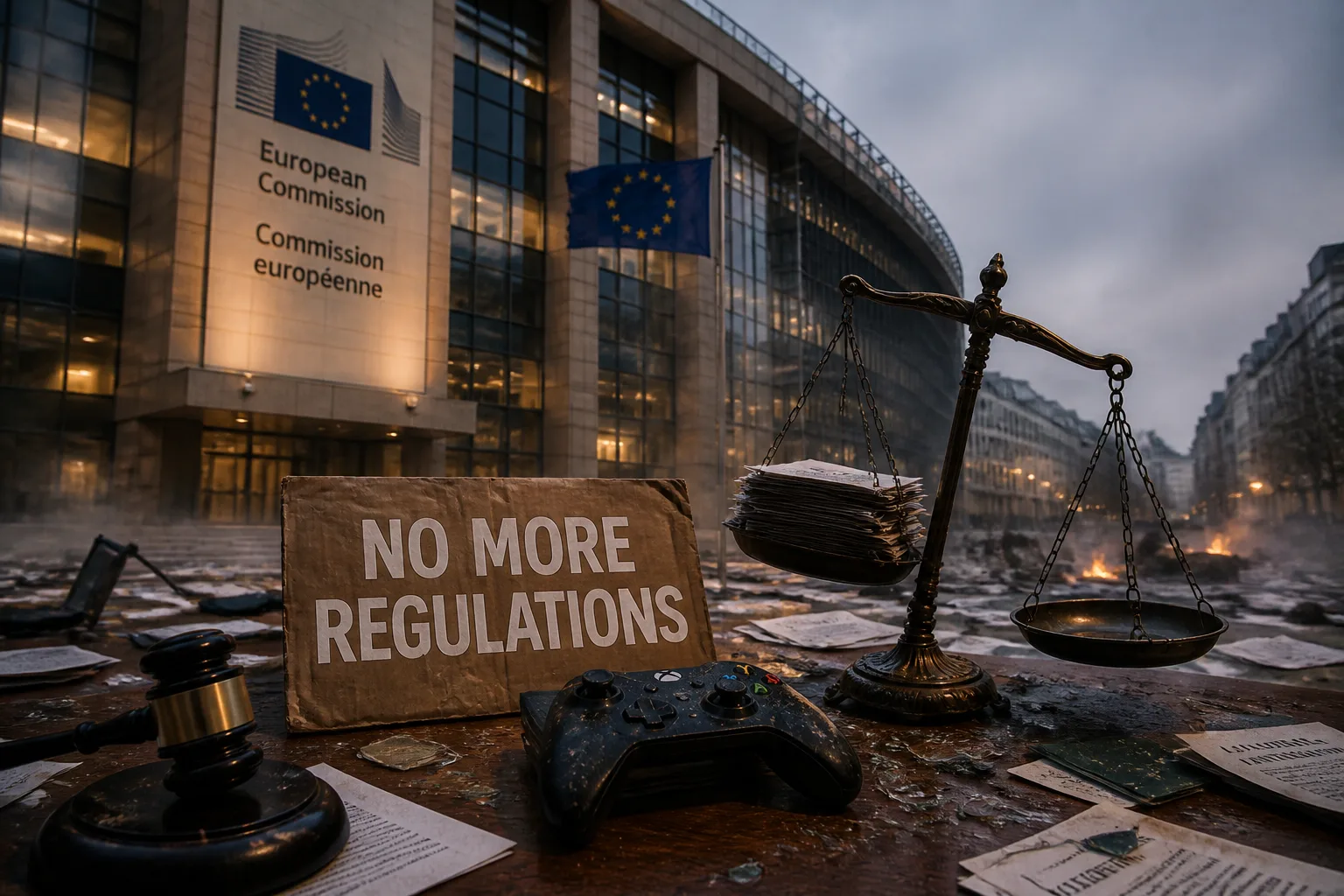
European Commission Rejects Stop Killing Games Petition, Leaves Consumer Protection Efforts Unsettled
When 1.3 million Europeans signed a petition, they hoped to safeguard the games they paid for. On 16 June 2026, the European Commission declined that request, leaving the Stop Killing Games (SKG) movement in a state of uncertainty.
SKG was founded in 2024 by Ross Scott after Ubisoft shut down the servers for the 2014 online‑only racing game The Crew. The closure left roughly 12 million players, many of whom had purchased the title, unable to play. Ubisoft now faces lawsuits in California and France over the shutdown. The petition, titled "Stop Destroying Videogames", gathered more than 1.3 million verified signatures, forcing the Commission to formally examine the practice.
Industry groups, notably Video Games Europe (VGE) and the Entertainment Software Association, rejected the petition. They contend that publishers are not required to maintain servers indefinitely and that consumers buy a license to access a service, not a permanent product. Ubisoft has stated it never promised "unfettered ownership rights" and that gamers should accept that games can become inaccessible. SKG argues that the issue is not ownership but the duration of access that a license should guarantee.
In its statement, the Commission explained that it cannot propose legislation that would obligate games to remain playable after they are removed from sale. The agency cited existing intellectual property rights, publisher costs, and cybersecurity concerns as reasons for rejecting the request. It also noted that it had not been asked to keep games playable, a point that SKG disputes.
Instead of new law, the Commission will convene a voluntary, non‑binding code of conduct involving industry and consumer representatives by the end of 2026. The draft code would require warnings on digital storefronts for games that need an active internet connection and would encourage collaboration with preservation groups. SKG has said it will pursue other avenues, including a potential amendment to the Digital Fairness Act, a package of consumer‑protection rules the EU is currently debating.
Across the Atlantic, SKG supports California’s Protect Our Games Act, which has passed the state Assembly and is headed to the Senate. The bill would require publishers to give 60 days’ notice before shutting down an online game and to either keep it playable through an offline mode or community server support, or issue a full refund.
The Commission’s decision followed a closed‑door meeting with Ubisoft and VGE two weeks before the ruling, raising questions about industry lobbying. While the Commission has not ruled out future legislative action, it stated that it will not propose new laws at this time.
The outcome leaves SKG’s campaign in limbo. The group will continue to engage with the European Parliament and other stakeholders to seek stronger consumer protections. Meanwhile, Ubisoft and other publishers remain focused on business models that allow them to discontinue services without long‑term obligations.
The case underscores the broader debate over digital ownership and consumers’ rights to access products they have paid for. As the industry evolves, the balance between publisher flexibility and consumer protection will remain a contentious issue.
The Commission’s rejection does not end the conversation. SKG’s next steps include lobbying for amendments to existing EU consumer‑protection legislation and supporting state‑level laws in the United States. The outcome of these efforts will shape the future of digital game preservation and consumer rights worldwide.